Finding the Best Seasonal Produce at Oakville Farmers Markets

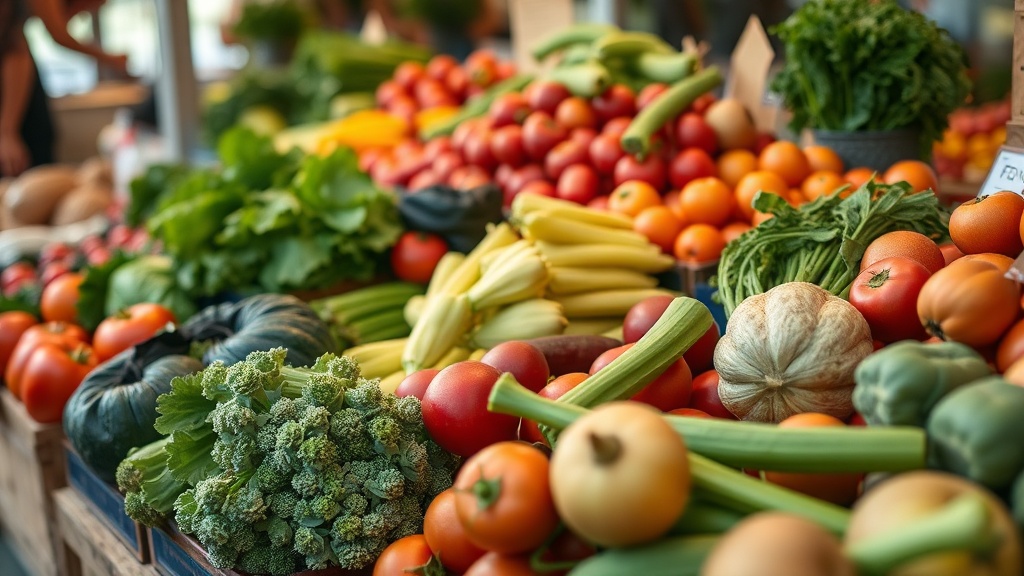
The morning sun hits the dew on a crate of heirloom tomatoes, making the deep reds and purples glow against the wooden slats. You can smell the damp earth and fresh basil hanging in the air near the corner of a bustling market stall. This is the reality of shopping seasonal in Oakville. Finding the best produce requires knowing exactly when to show up, which stalls to prioritize, and how to spot truly fresh-picked vegetables versus those that have sat in a truck for three days. We’re breaking down how to master the local market circuit so you get the highest quality food for your kitchen.
When is the Best Time to Shop at Oakville Farmers Markets?
The best time to shop is early in the morning, ideally within the first hour of the market opening, to secure the freshest picks and widest variety. While the markets are wonderful throughout the morning, the most sought-after items—like specific varieties of berries or certain heirloom greens—often sell out by 10:30 AM. If you're a late riser, you'll still find plenty, but you'll be working with whatever is left over.
Most seasonal markets in the Halton region operate on a strict schedule. For instance, the downtown markets often peak in energy around 9:00 AM. If you arrive at 11:00 AM, you might find the selection a bit thin. It's a trade-off. You get a quieter experience, but you lose the chance at the "first pick" of the day.
I always suggest hitting the market right as the vendors are setting up their final displays. There's a certain energy to the morning—the sound of crates being unloaded and the smell of fresh coffee nearby. It’s a great way to start a Saturday. If you need a caffeine fix before you start your grocery haul, you might want to check out a local spot for a morning brew first to fuel your walk through the stalls.
Keep in mind that weather in Southern Ontario can be unpredictable. A sudden summer thunderstorm can thin out the crowds and the inventory. Always check the local forecast before you head out. It's not worth the drive if the rain is going to wash away the best produce before you arrive.
How Much Does Seasonal Produce Cost Compared to Grocery Stores?
Seasonal produce at farmers markets is often slightly more expensive per unit than large-scale grocery chains, but the quality and nutrient density usually justify the premium. While a carton of strawberries at a discount supermarket might be cheaper, the flavor profile of a local Ontario strawberry is incomparable. You are paying for freshness and the reduction in food miles.
Here is a rough comparison of what you might expect to see during peak season in the Oakville area:
| Item | Farmers Market Price (Approx.) | Supermarket Price (Approx.) | Quality Difference |
|---|---|---|---|
| Strawberries (1 pint) | $5.00 - $6.00 | $3.50 - $4.50 | Much higher sugar content/aroma |
| Heirloom Tomatoes (1 lb) | $4.00 - $5.00 | $3.00 - $4.00 | Superior texture and variety |
| Organic Kale (Bunch) | $3.00 | $2.50 | Fresher, less wilted |
| Honey (Local, 500g) | $8.00 - $10.00 | $6.00 | Distinct local floral notes |
Don't look at it as just buying a vegetable; you're supporting the local Halton agricultural economy. Most of these farmers are small-scale operations. When you buy from them, that money stays in the community. It’s a different way of thinking about your grocery budget. Instead of looking for the lowest price, look for the highest value in terms of taste and nutrition.
If you want to ensure you're getting the best deal, always ask the vendors about their "seconds." Sometimes, farmers sell slightly "imperfect" produce—fruit that might have a small bruise or an odd shape—at a significant discount. These are perfect for smoothies, sauces, or baking. It's a great way to save money while reducing food waste.
What Should I Look for to Ensure Produce is Fresh?
Look for vibrant colors, firm textures, and a lack of soft spots or bruising to ensure you are getting the highest quality produce. Freshness is often visible in the details. For example, when buying leafy greens like spinach or arugula, look for leaves that are crisp and upright, not limp or translucent. If the greens look tired, they've likely been sitting out too long in the heat.
Here are a few specific things to check for various categories:
- Root Vegetables: Look for firm skins on carrots or beets. If they feel soft or "rubbery," they are losing moisture.
- Berries: Avoid any containers that have juices pooling at the bottom. This is a sign of mold or over-ripeness.
- Stone Fruit: Peaches and plums should have a slight give when pressed gently, but they shouldn't be mushy.
- Herbs: Herbs should be bright green and have a strong, pleasant aroma. If they look darkened or wilted, skip them.
A pro tip: Always smell the produce. A ripe cantaloupe or a fresh bunch of basil should have a scent that hits you immediately. If it smells like nothing, it likely won't taste like much either. If you're looking for more inspiration on how to use these fresh finds, you might enjoy exploring Oakville's botanical gems to see how plants thrive in our local environment.
It’s also worth noting that many local farmers use organic practices, but "organic" is a regulated term. If you want to be certain about the farming methods, look for the Canada Organic logo or simply ask the farmer directly. Most are incredibly happy to chat about how they grow their crops—it's their passion, after all.
How Do I Prepare for a Successful Market Trip?
Bring reusable bags, a cooler for perishables, and a list of what you actually need to avoid impulse buys. Being prepared makes the experience much smoother and ensures your produce stays fresh on the drive home.
First, grab a sturdy tote bag. I prefer using canvas bags for heavier items like potatoes or squash, and smaller mesh bags for things like berries. Having a designated "cold bag" with an ice pack is a total game-changer for the summer months. If you buy fresh cheese or delicate greens, you don't want them sitting in a hot car while you run other errands in Oakville.
Second, bring cash. While many vendors now accept credit cards via mobile readers, there are always those small-scale vegetable stands that are cash-only. It’s much faster to pull out a five-dollar bill than to deal with a slow card reader if you're in a rush. Plus, it's a nice way to support the smaller vendors who might have higher transaction fees on cards.
Third, keep an open mind. You might go in looking for bell peppers and end up coming home with a jar of local pickled okra or a unique variety of squash you've never heard of. That's part of the fun. The more you experiment, the more you'll understand the seasonal rhythm of Ontario. It's about more than just a grocery run; it's about discovering what's currently at its peak.
If you're planning to drive into the downtown core for the market, don't forget to plan your parking. The crowds can make finding a spot a bit of a chore. You might find it helpful to review some parking pointers for downtown spaces so you don't spend your whole morning circling the block.
Finally, talk to the people. The farmers are the true experts. If you aren't sure how to cook a specific type of squash or how long a certain berry will last in your fridge, just ask. They are usually more than willing to share their knowledge and even a few recipe ideas. It's that personal connection that makes the Oakville market scene so much better than a standard supermarket run.
Steps
- 1
Check the Seasonal Calendar
- 2
Arrive Early for Best Selection
- 3
Bring Reusable Bags and Cash
- 4
Talk to the Growers